From the Village to the World: Julinus Jeffrey Jimit and Sabah’s Community-Based Tourism Journey

How a programme that began with a handful of rural communities grew into a statewide movement — and why Sabah’s tourism future may depend on ensuring that the people who live in its most beautiful places benefit from the visitors who come to see them
There is a particular kind of tourism that begins long before a visitor arrives.
It begins with a community looking at its river, its forest, its farms, its food, its stories and its traditions — things that have been part of everyday life for generations — and asking a deceptively simple question:
Could these things have value to someone from outside?
For Sabah Tourism Board (STB) Chief Executive Officer Julinus Jeffrey Jimit, that question has been at the heart of a journey that stretches back more than a decade.
In 2014, Sabah Tourism Board was tasked with developing rural and community-based tourism. What followed was not simply the creation of new tourism products. It was an attempt to change the way rural communities saw themselves in relation to the tourism industry: not merely as people living beside Sabah’s attractions, but as owners, storytellers, hosts, entrepreneurs and beneficiaries of them.
Julinus was at the centre of that effort from its formative years.
A 2017 report recorded that STB had established a dedicated rural tourism division in 2014, headed by Julinus, with a focus on developing tourism in rural areas. At the time, Kiulu and Kadamaian were emerging as pioneering examples of Sabah’s rural tourism model.
More than a decade later, Julinus describes the transformation in strikingly simple terms.
“In 2014, we were asked to develop rural and community-based tourism,” he said in 2025. “From zero, we have managed to establish a RM6 million industry across 28 districts in Sabah.”
But the significance of that achievement cannot be measured by the revenue figure alone.
The real story is how Sabah got there.
From seeing a village to seeing its potential
When the programme began, one of the greatest obstacles was not infrastructure, marketing or even the lack of tourists.
It was perception.
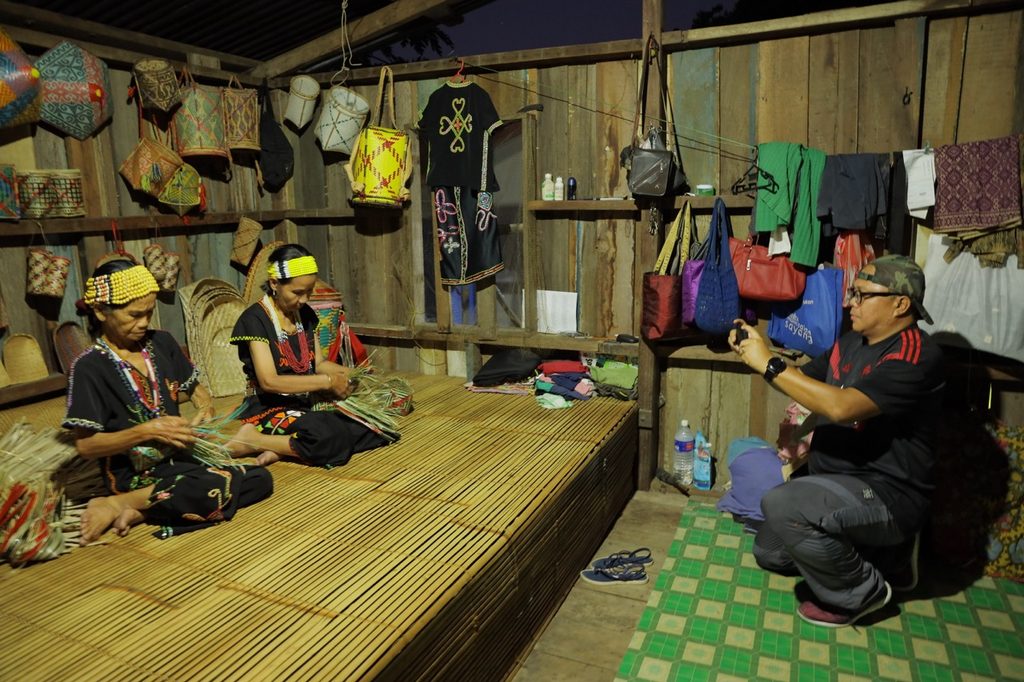
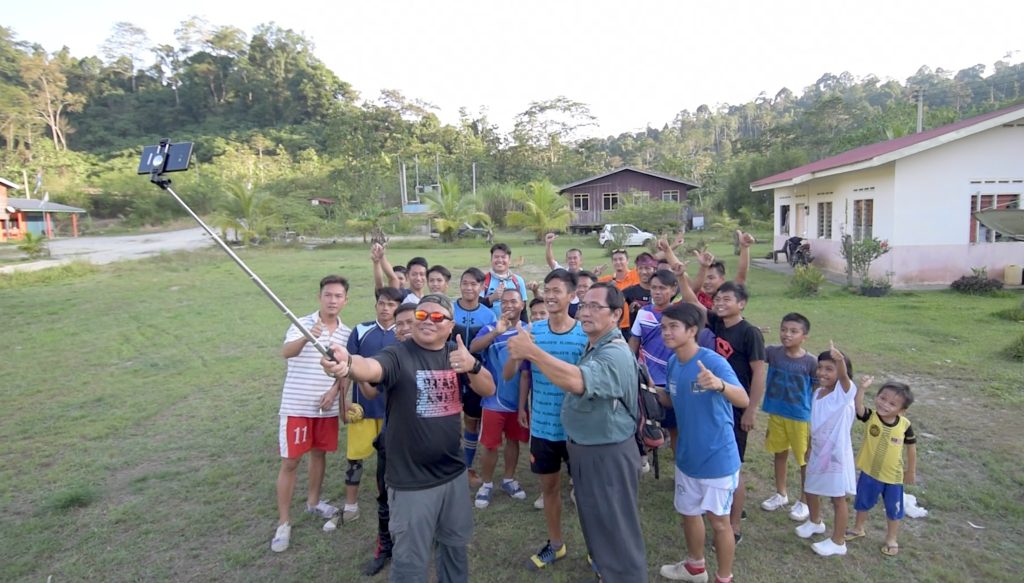
Julinus recalled that many rural communities initially believed they had no tourism products. Their surroundings were simply their homes and their daily lives. Through engagement and guidance, however, they began to recognise that those very things could form the basis of authentic tourism experiences.
This became one of the defining principles of Sabah’s approach.
A paddy field could become an agro-tourism experience. A river could become a place for recreation and conservation. Traditional food could become a culinary attraction. A village walk could become a cultural experience. Local handicrafts could become a business. A traditional house could become a homestay or heritage attraction.
A 2020 report on the Liwan Cultural Home in Ranau offers a glimpse of how Julinus approached this work in practice. As STB’s Senior Product Manager, he examined the area and identified several possible tourism niches — agro-tourism, cultural tourism, river tourism, adventure tourism, cycling and food tourism — all within one community.
The philosophy was therefore not to manufacture attractions where none existed.
It was to recognise the attractions that communities already possessed.
That distinction is crucial.
Community-based tourism is fundamentally different from simply building a resort or creating a tourist attraction in a rural location. Its success depends on local people participating in the development, management and benefits of tourism. In Malaysia, community-based tourism has been part of the country’s rural tourism development landscape since the 1990s, including through the homestay programme.
In Sabah, however, the concept began taking on a distinctly local character — one rooted in villages, indigenous culture, agriculture, nature and community ownership.
Kiulu and Kadamaian: the first laboratories
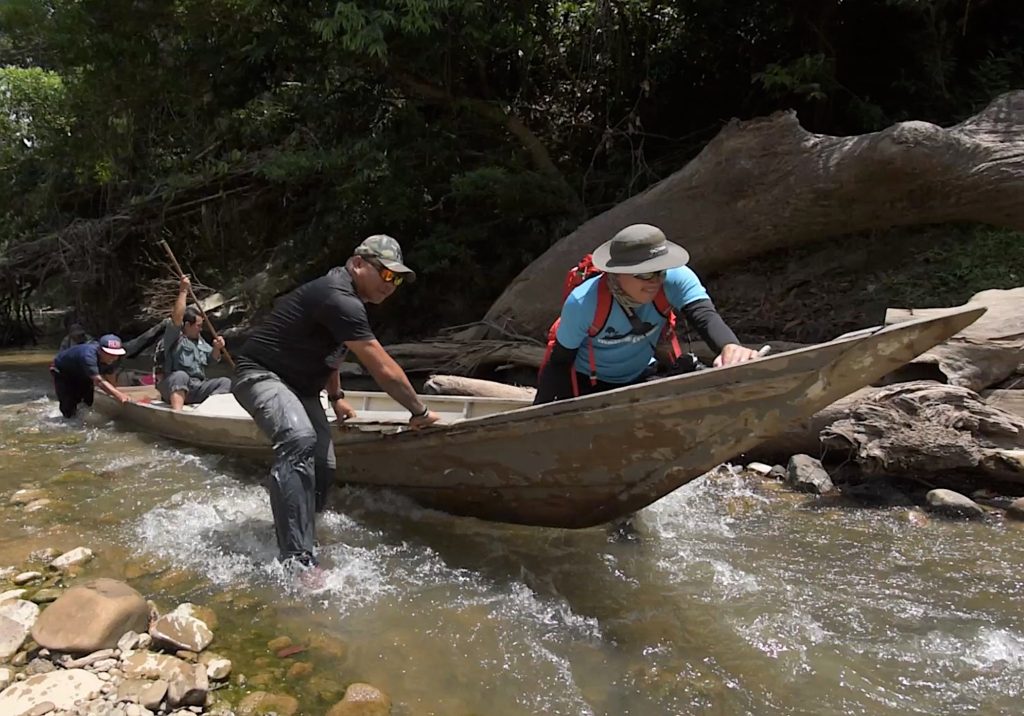
Two names appear repeatedly in the history of Sabah’s community-based tourism: Kiulu and Kadamaian.
They became early test beds for the state’s rural tourism ambitions.
The importance of Kiulu is particularly evident today. A decade after its pioneering role began, the destination is widely regarded as one of Sabah’s strongest examples of rural and community-based tourism. In 2024, the Sabah government described Kiulu as an established successful rural destination and outlined a broader strategy to combine its tourism and agricultural strengths.
But the foundations were laid much earlier.
The community-based approach meant that villagers were not simply waiting for government agencies to build a tourism industry for them. Community organisations, local entrepreneurs and village committees became part of the process.
A 2017 account of Kadamaian described how local residents had initially used their own capital and gotong-royong efforts to develop basic tourism infrastructure. A community committee was established to oversee tourism activities and business management. It was this grassroots effort that eventually attracted stronger government support, with Kadamaian and Kiulu recognised as pioneering rural tourism destinations.
This is perhaps one of the most important characteristics of Sabah’s model.
The government could provide guidance, training, connections and promotion. But the community had to have a stake in the destination.
Julinus would later formalise that philosophy into what he described as a nine-step approach: assess community readiness, educate the community, identify local champions, establish cooperatives, build partnerships, adopt an integrated approach, develop quality tourism products, create marketing strategies and continuously monitor results.
In other words, community tourism was never intended to be a one-off project.
It was supposed to become a process.
From products to an ecosystem
By 2017 and 2018, Sabah’s rural tourism programme was beginning to move beyond individual villages.
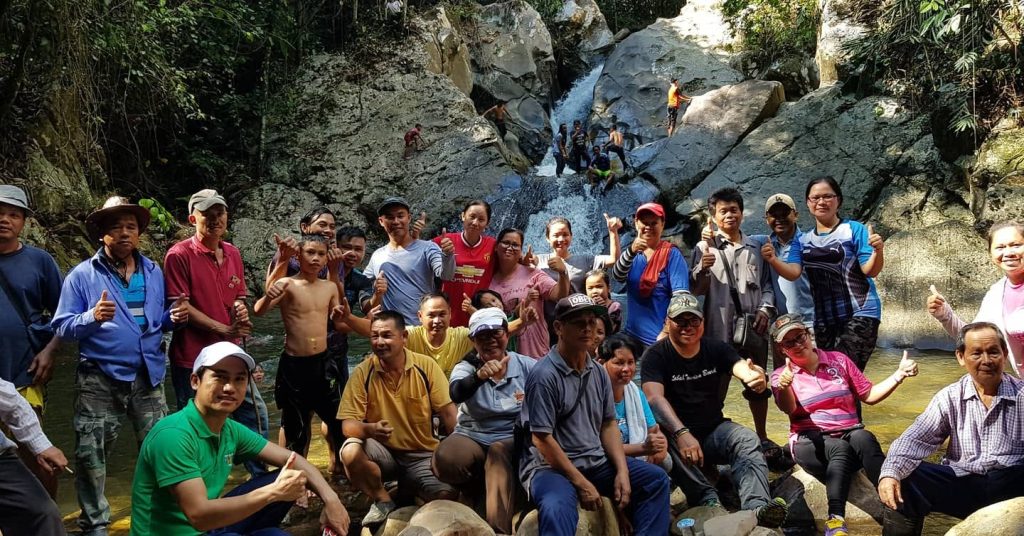
STB organised rural tourism roadshows to connect rural operators with the wider tourism industry. The initiative brought together communities from places such as Kiulu, Ranau, Kadamaian and Tambunan, while also encouraging collaboration with tour operators and the development of district-level tourism structures.
Julinus was also increasingly involved in discussions about the sustainability of community-based tourism.
By 2019, while serving as STB’s Senior Product Manager, he was briefing rural operators about how individual places could combine different tourism experiences to create stronger destinations.
The evolution was significant.
A village did not necessarily have to depend on one attraction.
Instead, a destination could combine nature, culture, food, agriculture, adventure and heritage.
That approach allowed communities to build tourism around the character of the place rather than trying to imitate established mass-tourism destinations.
And it gave visitors something increasingly valuable in the modern tourism market: authenticity.
The pandemic and the resilience of rural tourism
Then came COVID-19.
International tourism collapsed, borders closed and Sabah’s tourism industry faced an unprecedented disruption.
Yet the development of rural tourism did not disappear.
Instead, the period reinforced the need for communities to diversify their economic opportunities and develop products that could eventually serve domestic and international visitors.
By 2022, STB was actively engaging communities in areas that had not yet developed formal community-based tourism products.
One example was Bingkor in Keningau.
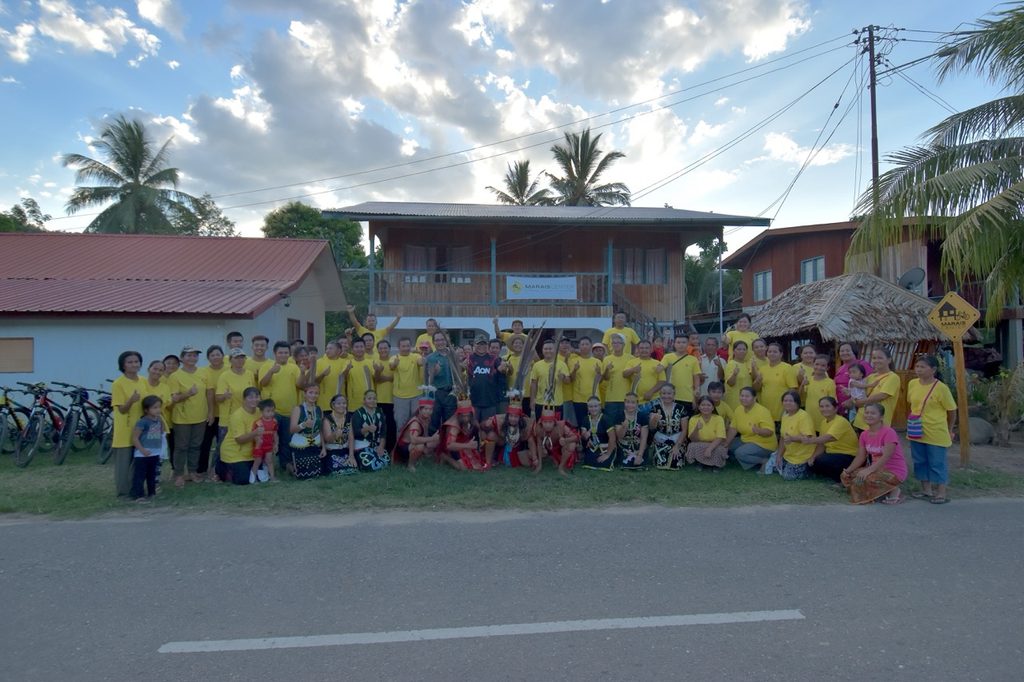
STB engaged 47 Village Development and Security Committees in Mukim Bingkor to identify tourism potential. Julinus, then STB Chief Financial Officer, explained that rural communities could benefit from tourism by developing their own products, while also learning how to market them digitally. Bandukan Eco Park was being developed as a community-managed tourism product, with STB providing assistance and training.
The significance was that the programme was expanding beyond the early pioneers.
The question was no longer, “Can Kiulu do this?”
It had become:
“Can communities throughout Sabah do this?”
Taking rural Sabah to the marketplace
The next phase was perhaps inevitable.
Once communities had products, they needed customers.
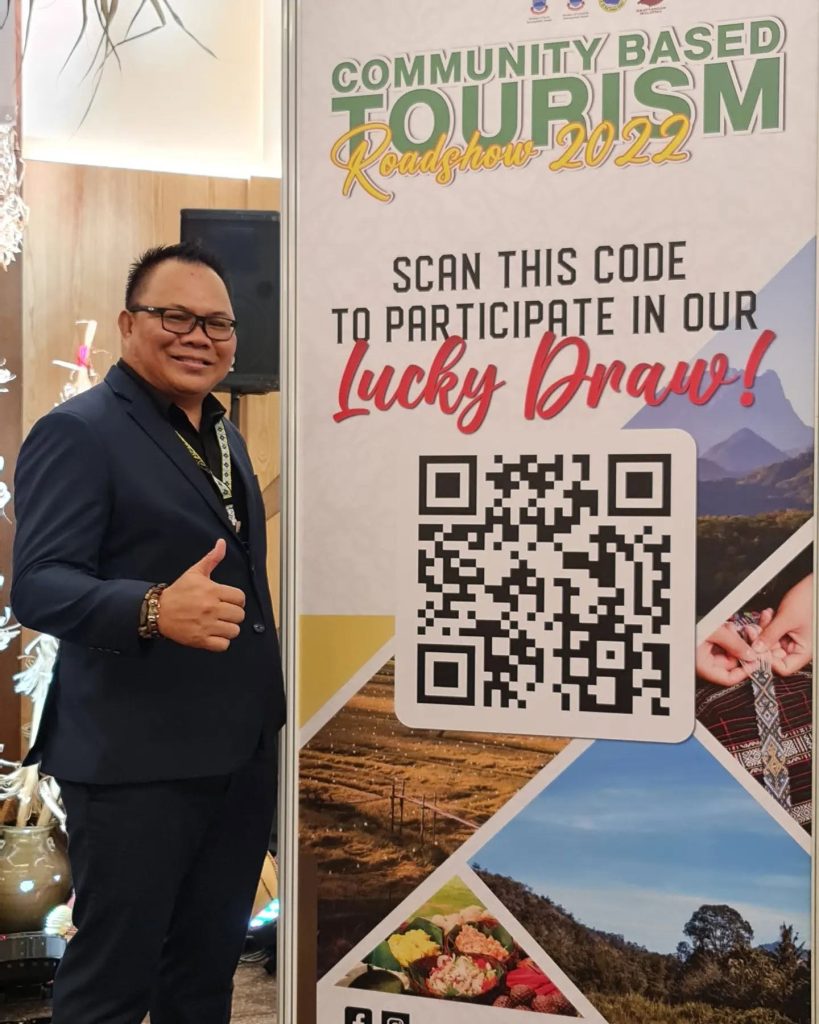
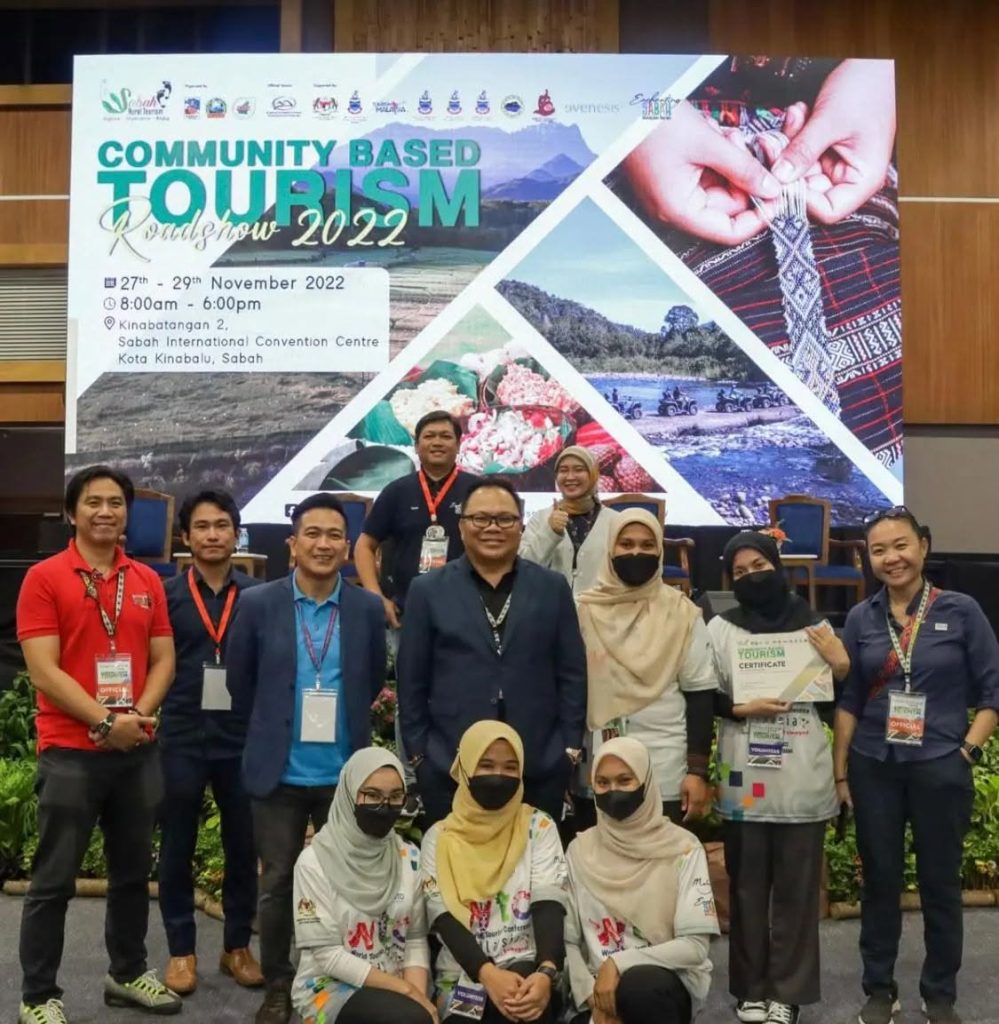
STB began using roadshows, fairs, business-to-business sessions and other platforms to connect rural operators with the tourism market. In 2022, the Community-Based Tourism Roadshow was positioned as a platform for rural tourism operators and tour companies to work together on packaging rural destinations for new markets.
By 2023, the Sabah Community Based Tourism Fair had become an established annual event. The 2023 edition was held at Suria Sabah Shopping Mall, reflecting the growing importance of giving community operators direct access to consumers and industry players.
This represented another major shift.
The communities were no longer simply being trained to host visitors.
They were being encouraged to operate as tourism businesses.
That meant learning about packaging, pricing, promotion, customer expectations, digital marketing, quality standards and partnerships.
It also meant recognising that a beautiful destination alone does not guarantee a sustainable tourism business.
The numbers begin to tell the story
As the programme matured, STB began to see measurable results.
For 2023, Sabah reported significant activity from its community-based tourism destinations. By January to November 2024, data submitted by 85 community-based tourism operators across 18 districts recorded 269,154 visitors and more than RM6.5 million in revenue. STB acknowledged that the actual figure could be higher because many destinations still lacked proper data-collection systems.
That caveat is important.
One of the challenges facing rural tourism is that what is not measured is difficult to manage.
For years, a visitor might arrive at a village, stay in a homestay, eat local food, pay for an activity and purchase handicrafts without all of that economic activity being captured in one tourism database.
In 2025, Kiulu became a pioneer in addressing precisely this problem, introducing a digital system to record visitors and tourism activities more systematically. The initiative was developed with STB and the Kiulu Tourism Association and was intended to provide better information for planning, investment and promotion.
For Julinus, this represents a new stage in the development of community tourism.
The industry must not only grow.
It must become measurable, professional and accountable.
From local villages to national markets
Perhaps the clearest indication of how far the programme had come was the decision to take the Sabah Community Based Tourism Fair outside Sabah.
In October 2024, the fair was held at IOI City Mall in Putrajaya — the first time the event had been organised outside the state. Twenty-seven tourism associations from 22 districts participated, bringing Sabah’s rural tourism products directly to the Peninsular Malaysian market.
The symbolism was powerful.
In the early years, the challenge had been persuading villagers that their surroundings could attract visitors.
A decade later, those same communities were being taken into a national marketplace.
Julinus said STB was committed to helping rural communities promote their destinations locally and globally, while strengthening training and capacity-building so operators could meet industry standards.
This is where the role of the tourism board had evolved.
STB was no longer simply a promoter.
It was increasingly acting as a connector — connecting communities to government agencies, tour operators, markets, training providers, technology, international partners and one another.
Quality over quantity
Growth, however, creates its own dangers.
If rural tourism becomes too successful, the very qualities that attract visitors can be threatened.
This is why sustainability has increasingly become central to Julinus’s message.
He has repeatedly emphasised the need to balance people, planet and profit, while ensuring that tourism complements rather than replaces other rural economic activities such as agriculture.
The experience of Nglanggeran Tourism Village in Indonesia offered Sabah an important lesson.
During a 2023 learning visit, Sabah’s tourism delegation — including Julinus — studied the Indonesian village’s award-winning community-based tourism model. Nglanggeran had won the 2017 ASEAN Community Based Tourism Award and was subsequently named a World’s Best Tourism Village. Despite generating substantial tourism income, the village had reduced visitor numbers in favour of attracting higher-quality tourists and maintaining sustainability.
The lesson is clear:
More tourists do not automatically mean better tourism.
For communities, the more meaningful question is how much value each visitor creates — and how much of that value remains in the community.
Bringing skills to the countryside
That is why training has become another major priority.
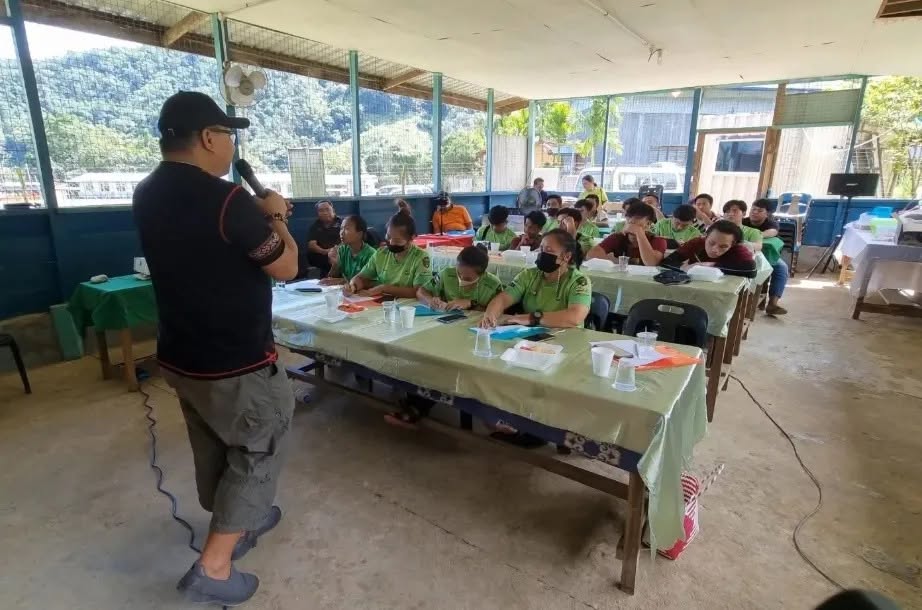
In 2024, STB highlighted the urgent need to upskill rural tourism players. Growing community interest in tourism had to be matched with skills in hospitality, guiding, marketing, birdwatching and other specialised areas.
This is particularly important because Sabah’s rural tourism model increasingly encompasses specialist experiences.
Birdwatching is one example.
At the 2024 Global BirdFair in the United Kingdom, Sabah promoted its birding routes to an international audience. Julinus was part of the delegation and emphasised the potential of birding tourism to empower rural communities. Local tourism players also highlighted how birding could be integrated with community-based tourism.
This approach turns Sabah’s natural heritage into more than a conservation story.
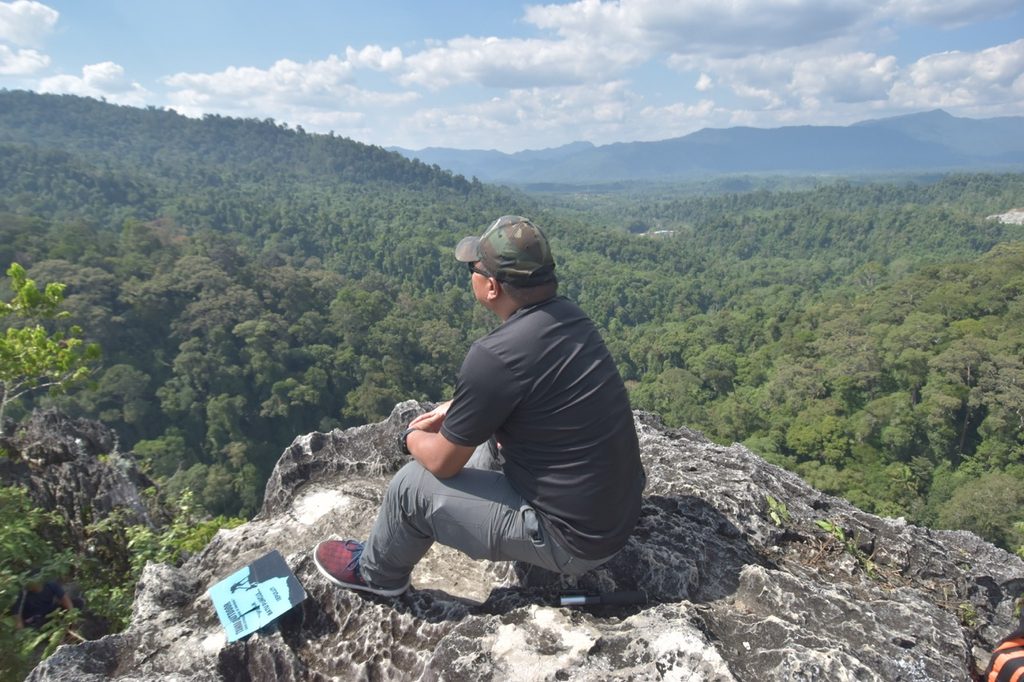
It can become an economic opportunity for communities living near forests, rivers and protected areas — provided that the tourism is managed responsibly.
From a Sabah initiative to an international conversation
By 2025, the evolution had reached another milestone.
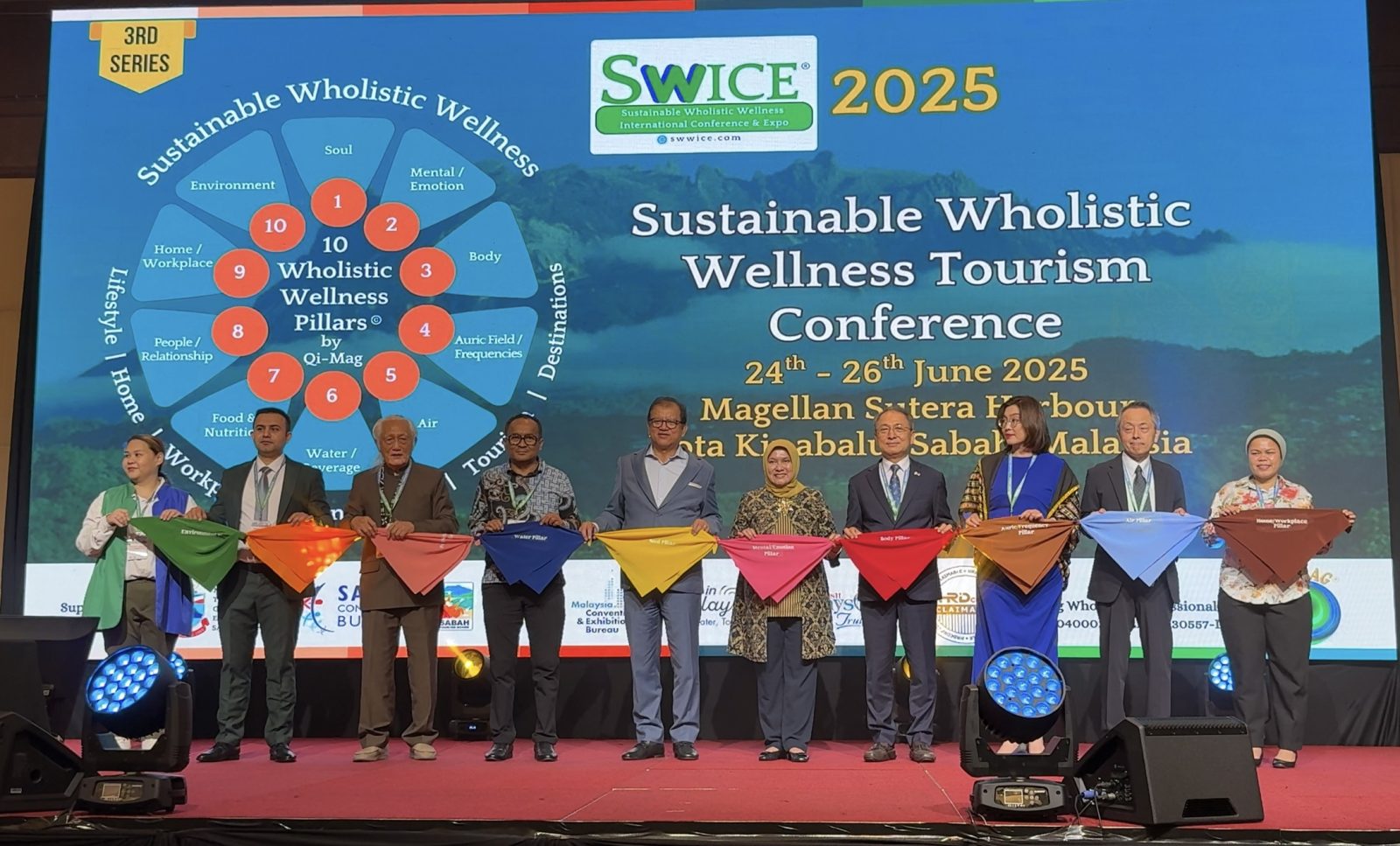
Sabah Tourism Board, together with the United Nations Development Programme, organised the inaugural Community-Based Tourism Conference and Expo 2025 in Kota Kinabalu.
The significance was not simply that Sabah held another tourism event.
For the first time, the community-based tourism expo, which had already been held in Sabah for seven years, was expanded into a full conference. Community tourism associations, NGOs, enterprises and representatives from different parts of Malaysia came together to exchange ideas about using tourism to preserve culture and natural heritage while delivering benefits to local communities.
Julinus was now participating from a very different position from where he had begun.
He was no longer simply the officer tasked with developing rural tourism.
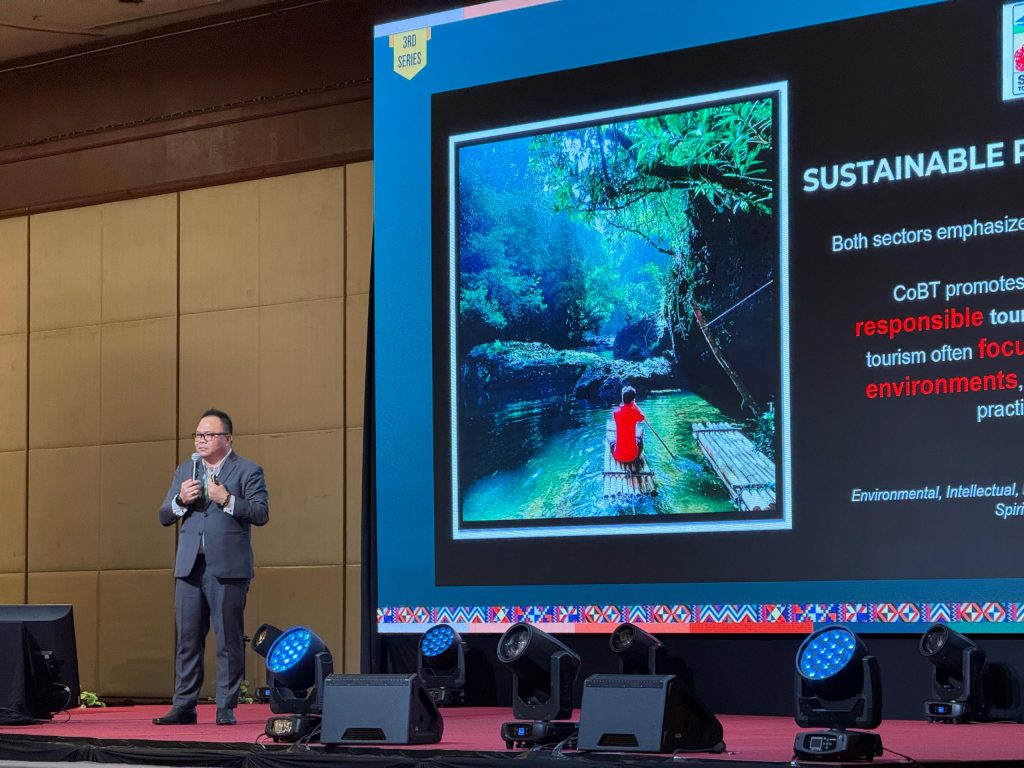
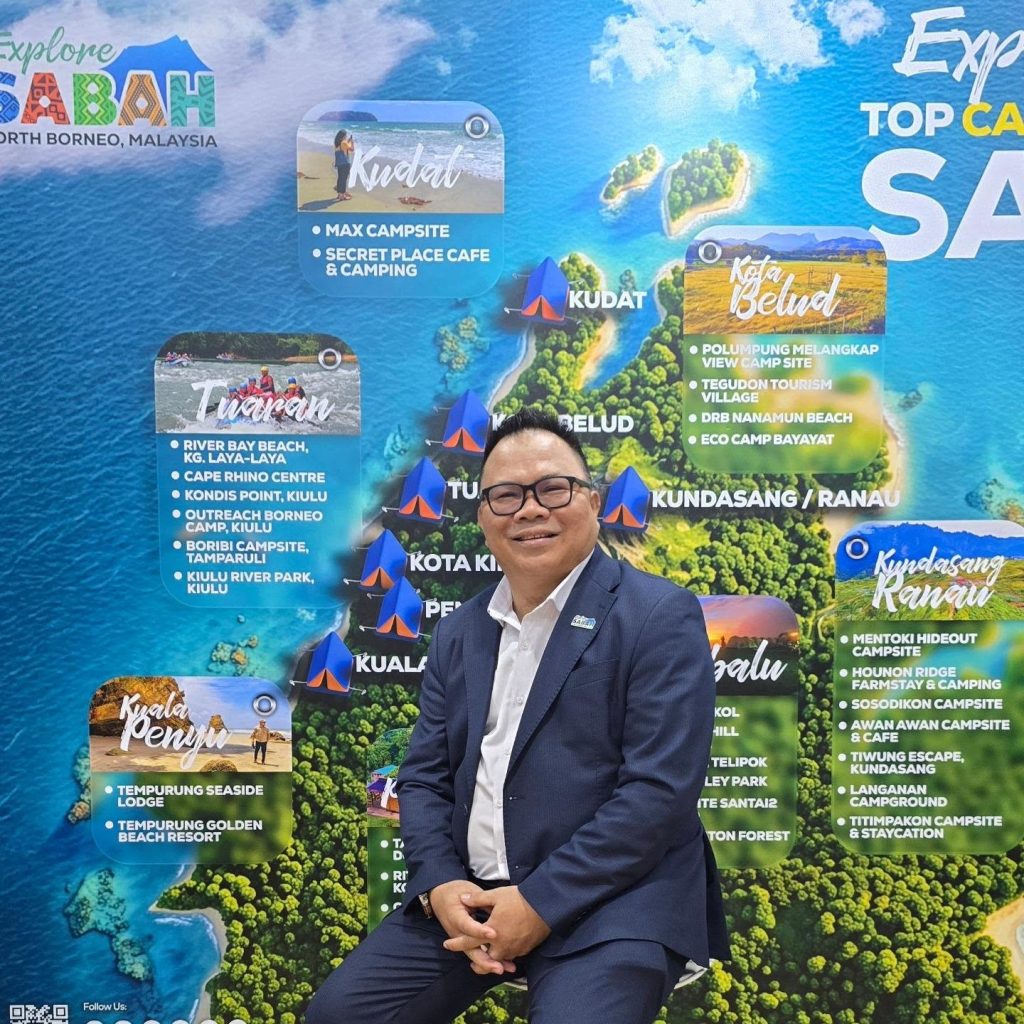
He was the CEO of Sabah Tourism Board, presenting Sabah’s experience as a case study and contributing to discussions about the future of community-based tourism.
The journey had gone full circle.
A programme that began by asking rural communities to recognise the value in their own backyards was now positioning Sabah itself as a source of knowledge for others.
The real measure of success
Yet Julinus’s vision for community-based tourism goes beyond visitor arrivals and tourism receipts.
In 2025, he spoke of tourism as a tool for reducing the income gap between rural and urban Sabah and for lifting communities socio-economically. He pointed to the nearly 300 communities located within Sabah’s UNESCO-recognised areas that could potentially benefit from tourism development.
This is where the idea becomes much larger than tourism.
A successful community tourism project should create income.
But it can also create reasons for young people to remain in their communities. It can encourage the preservation of traditional knowledge. It can create markets for local food and handicrafts. It can give value to forests and rivers that might otherwise be seen only as economic resources to be exploited.
And it can change how communities see themselves.
Instead of asking outsiders to come and “develop” a place, community-based tourism asks local people to decide what is valuable about their home and how that value should be shared.
There are still considerable challenges.
Infrastructure remains uneven. Access to finance can be difficult. Training must continue. Marketing needs to improve. Data collection is still incomplete. And communities need protection from the risk of over-commercialisation.
Even successful destinations such as Kiulu must continue evolving.
Recent research on rural tourism in Kiulu reinforces the importance of community participation, empowerment and tourism knowledge, while identifying challenges including financial constraints, infrastructure and specialised training.
The work, therefore, is far from finished.
The next chapter
Sabah now enters a new phase.
With Visit Malaysia 2026 providing a larger national platform for tourism, community-based tourism has an opportunity to move from the margins of the industry into the mainstream.
But the challenge will be to scale without losing the principles that made the model successful in the first place.
The danger is easy to understand.
If a community becomes merely a product, it can lose ownership of its story.
If a traditional culture becomes merely a performance, its meaning can disappear.
If a natural attraction receives too many visitors, the resource itself can be damaged.
And if most of the money generated by a village stays outside the village, then the purpose of community-based tourism has been defeated.
For Julinus Jeffrey Jimit, the answer lies in maintaining the balance between people, planet and profit — and in ensuring that communities are equipped to participate meaningfully in every stage of tourism development.
That may ultimately be the most important legacy of the programme he has helped develop.
The story of Sabah’s community-based tourism is not really a story about creating attractions.
It is a story about recognising value.
The value of a river.
The value of a forest.
The value of a village meal.
The value of a traditional house.
The value of a story told in a local language.
The value of a community that has protected its surroundings for generations.
And, above all, the value of ensuring that when visitors arrive to experience Sabah, the people who have kept those places alive are not left standing on the sidelines.
In 2014, Julinus and his colleagues were working to convince communities that their “ordinary” surroundings could become extraordinary tourism experiences.
More than a decade later, the evidence suggests that the idea has taken root.
From Kiulu and Kadamaian to Bingkor, from rural tourism roadshows to a national marketplace, from community fairs to an international conference, Sabah’s journey has moved steadily from experimentation to institutionalisation.
The next test is whether that growth can remain genuinely community-led.
Because the ultimate success of Sabah’s community-based tourism programme will not be measured by how many tourists discover its villages.
It will be measured by whether, after the tourists have gone home, the villages themselves are better off for having welcomed them.
And that is perhaps the most important journey Julinus Jeffrey Jimit has helped set in motion: turning Sabah’s communities from places tourists pass through into communities that have a voice — and a stake — in the future of Sabah tourism.